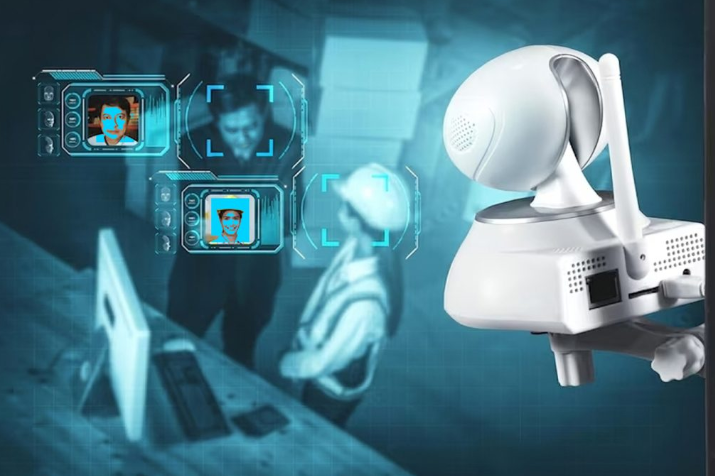
Ever imagined a world where surveillance systems are not just watchful eyes, but actual thinking entities? Well, that’s not science fiction anymore. With advancements in artificial intelligence (AI), surveillance technology has taken a giant leap forward. Now, it’s not just about recording footage; it’s about real-time monitoring and making sense of what’s being observed.
Imagine security cameras that can recognize faces, detect unusual behavior, and even predict potential threats before they happen. This isn’t just about catching a thief in the act; it’s about preventing the theft from happening in the first place. AI-powered surveillance systems can analyze patterns and learn from them, much like how humans do but without the need for coffee breaks.
And it’s not just limited to physical security. These AI systems are being integrated into various sectors such as traffic management, retail, and even healthcare. Think about it – a hospital where AI monitors patient movements and alerts staff if something seems off. The possibilities are endless, and it’s all thanks to the blend of smart technology and everyday applications.
The rise of biometric authentication
Remember the days of forgetting your password and going through the tedious process of resetting it? Those days might soon be behind us, thanks to biometric authentication. This tech marvel uses unique biological traits – like fingerprints, retinal patterns, or even voice recognition – to verify identities.
Biometric authentication is not just about convenience, though that’s a significant perk. It’s about security. Passwords can be stolen or hacked, but it’s a bit tricky to replicate someone’s fingerprint or iris pattern. This makes biometric systems far more secure than traditional methods.
Banks, airports, and even smartphones are adopting this technology at a rapid pace. Imagine boarding a flight with just a quick glance at a camera or accessing your bank account with a simple thumbprint scan. It’s efficient, secure, and adds an extra layer of protection in our increasingly digital world.
See also: The Importance of User Consent in Technology
Cybersecurity shields for shipping data
In today’s world, data is like gold. Especially in industries like shipping where sensitive information is constantly being exchanged. From cargo details to shipping routes, protecting this data is crucial. Enter cybersecurity shields – the invisible warriors guarding our data from prying eyes.
These cybersecurity measures are designed to protect against a plethora of threats – from phishing attacks to sophisticated hacking attempts. It’s like having an army of digital bodyguards that ensure your data remains safe and sound.
With shipping companies relying heavily on digital systems for their operations, the need for robust cybersecurity protocols has never been greater. Imagine the chaos if shipping routes were tampered with or cargo details were leaked. Cybersecurity shields help prevent such scenarios, ensuring smooth sailing in the digital seas. Another layer of security can be integrated by using a cargo screen for monitoring containers in real-time.
Drones are the new guardians
Drones – once considered mere toys for tech enthusiasts – have now evolved into powerful tools for security and surveillance. These flying marvels are revolutionizing perimeter security with their unmatched agility and advanced features.
Equipped with high-resolution cameras and thermal imaging technology, drones can patrol vast areas that would be challenging for human guards to cover. They can fly over fences, navigate through difficult terrains, and provide real-time video feeds to security personnel on the ground. Additionally, equipping drones with a radiation detector can significantly enhance their capability to monitor for hazardous materials.
Think of large industrial sites, agricultural fields, or even residential complexes. Drones can monitor these areas continuously, detect any unusual activity, and alert authorities instantly. Plus, their ability to reach high altitudes offers an aerial view that’s invaluable for comprehensive surveillance.
Tracking technologies beyond gps
When one thinks of tracking technologies, GPS is usually the first thing that comes to mind. But hey, there’s a whole world beyond GPS that’s equally fascinating and vital for modern security solutions.
RFID (Radio Frequency Identification) tags are one such technology making waves in the industry. These tiny tags can be attached to almost anything – from shipping containers to personal items – allowing them to be tracked with remarkable precision.
Then there are advanced IoT (Internet of Things) devices that communicate with each other over networks, providing real-time data on everything from temperature changes to movement patterns. Imagine a warehouse where every item is connected and monitored seamlessly – no more lost inventory or misplaced shipments.
These technologies are not just about keeping tabs on things; they’re about creating smarter systems that enhance efficiency and security. It’s like having a digital pulse that keeps everything in check, ensuring nothing goes amiss.