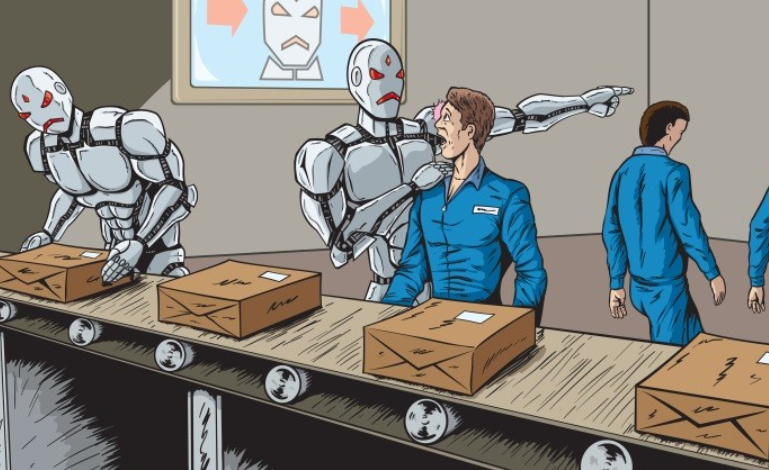
The impact of automation on employment is a complex issue that merits careful examination. As industries increasingly adopt advanced technologies, the potential for job displacement rises. This trend prompts a reevaluation of workforce dynamics and the skills required for future roles. However, automation also presents opportunities for innovation and new job creation. Understanding the dual nature of this transformation is essential to navigate the implications for workers and the economy at large. What strategies can effectively address these challenges?
The Rise of Automation in Various Industries
As industries evolve, the integration of automation technologies has become increasingly prevalent across various sectors.
Robotic technologies are driving significant industry transformation, enhancing productivity and efficiency. This rise in automation not only streamlines operations but also fosters innovation, allowing companies to adapt to changing market demands.
The shift towards these advanced systems represents a pivotal moment in industrial progress, emphasizing the importance of embracing technological advancements.
Potential Job Displacement and Labor Market Shifts
While the rise of automation offers numerous advantages, it simultaneously poses significant risks of job displacement and shifts in the labor market.
As machines increasingly perform tasks traditionally handled by humans, job security diminishes for many workers. This transition necessitates a focus on skill development, as individuals must adapt to new roles that require different competencies to remain competitive in an evolving workforce.
See also: The Impact of 5G on Smart Devices
Opportunities Created by Automation
Although concerns about job displacement dominate discussions on automation, it is essential to recognize the opportunities that such technological advancements create within the labor market.
Automation fosters the emergence of new job roles that require advanced skills, driving demand for skill development.
This shift encourages workers to adapt and upskill, ultimately enhancing their employability and contributing to a more dynamic and innovative workforce.
Strategies for Adapting to an Automated Workforce
The emergence of new job roles due to automation necessitates that both individuals and organizations adopt effective strategies for adapting to an automated workforce.
Implementing reskilling programs is crucial for equipping employees with relevant skills, while fostering flexible workforces allows organizations to respond swiftly to changing demands.
These strategies not only enhance workforce adaptability but also promote sustainable employment in an increasingly automated environment.
Conclusion
In the intricate tapestry of modern employment, automation weaves both peril and promise. As industries evolve, the specter of job displacement looms, threatening to unravel the fabric of traditional labor markets. Yet, within this disruption lies the seed of opportunity, urging a collective response to reskill and adapt. Embracing a future where humans and machines coexist symbiotically is essential, demanding strategic foresight to ensure that the march of progress does not trample the livelihoods of the workforce.